What Is Brain Mapping and How Does It Work?
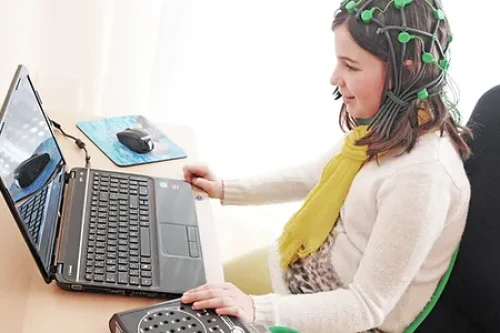
Brain mapping, or quantitative EEG (qEEG), is a non-invasive technique that records electrical activity in the brain through sensors placed on the scalp. It creates a visual map of brainwave patterns that can reveal imbalances, overactivity, or underactivity in specific brain regions. These patterns are often linked to attention, memory, sensory processing, and emotional regulation—critical areas for early learning.
In toddlers, brain mapping provides a unique window into how their brain is functioning before behaviors become more entrenched or diagnoses are formally given.
Why Early Detection Matters
Many cognitive and learning delays—including ADHD, autism spectrum traits, sensory processing issues, and speech-language delays—begin to show signs during toddlerhood. However, these signs can be easily dismissed as “just a phase” or “every child develops differently.” While developmental variation is normal, it’s also true that earlier intervention leads to better long-term outcomes.
By using brain mapping for early learning delays, clinicians and caregivers can:
- Identify abnormal brainwave activity linked to processing or attention deficits
- Gain insight into emotional dysregulation or impulsivity
- Detect underlying neurological contributors to delayed milestones
- Guide personalized interventions based on the child’s brain activity
What Does Brain Mapping Reveal in Toddlers?
Children with learning delays may exhibit brainwave patterns such as:
- Excessive theta waves, linked to daydreaming, inattention, or developmental immaturity
- Reduced beta waves, which are associated with alertness and cognitive engagement
- Imbalances between left and right hemispheres that affect communication and sensory processing
These patterns provide objective data to support clinical observations, making early assessment more accurate and less reliant on behavioral guesswork alone.
 Integrating Brain Mapping Into Early Intervention
Once a brain map is created, specialists can tailor therapeutic strategies to the child’s neurological needs. For example:
- Children with low beta activity may benefit from neurofeedback sessions to improve focus
- Those with emotional dysregulation may receive targeted play therapy in addition to brain training
- Speech delays might be better supported by identifying the exact regions underperforming
By aligning interventions with the brain’s current function, children can reach milestones faster and with greater ease.
Empowering Parents and Educators
One of the most valuable aspects of brain mapping for early learning delays is that it gives parents and educators concrete information. Instead of waiting for a child to “catch up,” they can take informed action based on their child’s unique neurological profile.
This not only improves the effectiveness of intervention but also reduces frustration and uncertainty for families seeking support.
When to Consider Brain Mapping for Your Toddler
Consider a brain mapping assessment if your child:
- Has frequent emotional outbursts or trouble calming down
- Shows signs of speech or motor delays
- Struggles with attention or eye contact
- Seems disengaged, overly sensitive, or easily overwhelmed
- Is not meeting developmental milestones compared to peers
Early insight leads to earlier solutions—and the sooner a child receives the right support, the more likely they are to thrive.
- Early Brain Development and Learning – Harvard University’s Center on the Developing Child. Link
- EEG-Based Assessment in Developmental Delays – Frontiers in Human Neuroscience. Link
- Early Intervention and the Brain – National Institute of Child Health and Human Development. Link
Take the First Step Toward Understanding
If you suspect your child may be experiencing developmental challenges, brain mapping for early learning delays at Connected Brain Counseling can provide clarity. Our expert team offers gentle, non-invasive assessments to support your child’s growth from the very beginning.
Let’s work together to unlock your child’s potential—starting with their brain.