
Depression can be a debilitating condition that can affect an individual’s quality of life. While medication can be an effective treatment, there are alternative treatments for depression therapy in Denver such as Transcranial Magnetic Stimulation (TMS) and Neurofeedback Therapy that can help individuals manage their depression without relying on medication. It is important to understand the difference between TMS and Neurofeedback in order to decide which modality would best suit the individual’s needs. In this blog post, we will discuss how TMS and Neurofeedback Therapy work, as well as provide tips for finding the right neurofeedback therapist in Denver.
What is TMS?

Transcranial Magnetic Stimulation, or TMS, is a non-invasive brain stimulation technique that is FDA approved for treating major depressive disorder. It involves the use of a magnetic field to stimulate the brain’s nerve cells in the prefrontal cortex, which is responsible for regulating mood. TMS has been shown to be effective for treating depression, especially for those who have not responded well to medication or therapy.
During a TMS session, a small electromagnetic coil is placed on the patient’s scalp, near the forehead. The coil delivers a magnetic pulse to the brain, which stimulates nerve cells in the prefrontal cortex. The magnetic field is targeted to specific regions of the brain, which can vary depending on the patient’s individual needs.
TMS sessions typically last around 30 minutes, and are usually done five times per week for several weeks. The treatment is generally well-tolerated, with few side effects. Some patients may experience mild discomfort or headaches during the session, but this usually goes away quickly.
TMS is not a first-line treatment for depression, and is typically used when other treatments have not been effective. It is also more expensive than some other treatments, and may not be covered by insurance. However, for those who have not found relief from other treatments, TMS can be a promising option for treating depression.
What is Neurofeedback Therapy?
Neurofeedback therapy is a non-invasive and medication-free treatment option for individuals experiencing mental health conditions such as anxiety, depression, ADHD, and PTSD. It is particularly helpful as a form of depression therapy in Denver. Neurofeedback is a type of biofeedback that uses EEG technology to monitor the brain’s electrical activity, which helps to identify irregular patterns that contribute to symptoms of mental health conditions.
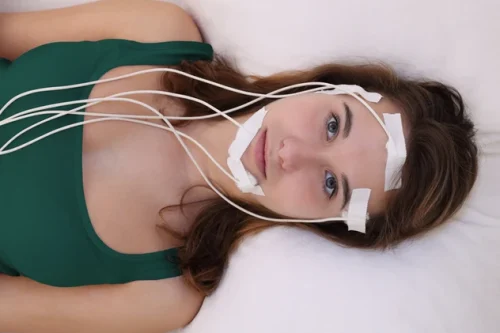
This form of depression therapy involves the use of sensors that are placed on the scalp to measure brain waves. The therapist then uses the data to help train the brain to regulate its activity. This is done through a series of sessions that are designed to help the individual become more aware of their brain activity and learn how to control it.
Neurofeedback therapy is unique in that it helps individuals develop the skills needed to self-regulate their mental health symptoms. As a result, it has proven to be a successful alternative to medication for many individuals seeking relief from mental health conditions.
While there is no cure for mental health conditions, neurofeedback therapy provides individuals with an opportunity to reduce their symptoms and improve their overall quality of life. It is a non-invasive, drug-free therapy that is safe and effective for many individuals seeking a natural alternative to traditional medication.
If you are considering neurofeedback therapy as a treatment option, it is important to find a licensed therapist with experience and expertise in this area. Look for a therapist who has the proper credentials, such as a license to practice therapy, and ask for references or referrals from trusted sources.
Overall, neurofeedback therapy offers individuals a safe and effective treatment option for managing mental health symptoms. With the help of a licensed therapist, you can learn how to regulate your brain activity and take control of your mental health.
Determining Whether TMS or Neurofeedback Therapy is Right For You
As you explore non-medication treatment options for depression, it’s important to understand the differences between TMS and neurofeedback therapy. While both modalities have been shown to be effective as a form of depression therapy treatment, they work in different ways and may be more or less suitable for different individuals.
TMS (Transcranial Magnetic Stimulation) is a non-invasive procedure that uses magnetic fields to stimulate specific areas of the brain. It’s typically administered over several weeks, with daily or near-daily sessions lasting about 20 minutes each. TMS is FDA-approved for treating major depressive disorder and is considered safe and well-tolerated. However, it may not be appropriate for individuals with certain medical conditions or those who are taking certain medications.
Neurofeedback therapy, on the other hand, involves training the brain to regulate its own activity patterns. During a neurofeedback session, the individual wears sensors that monitor their brainwave activity, and the therapist provides feedback in the form of visual or auditory cues to help the individual learn how to change their brainwave patterns. Neurofeedback therapy has been shown to be effective in treating depression, anxiety, and other mental health conditions, and is considered safe and non-invasive.
So how do you know which modality is right for you? It may depend on factors such as your specific symptoms, medical history, and personal preferences. Your mental health provider can help you assess the potential benefits and risks of each modality, and make a recommendation based on your individual needs.
It’s also worth noting that some individuals may benefit from combining TMS and neurofeedback therapy, or from using these modalities in conjunction with other forms of treatment such as therapy or medication. The key is to work with a mental health professional who can help you determine the best course of action for your individual needs.
Overall, non-medication treatment options such as TMS and neurofeedback therapy can offer hope and relief for those struggling with depression. By taking the time to understand the differences between these modalities and seeking out a qualified mental health provider, you can make an informed decision about your mental health treatment.
How to Find a Neurofeedback Therapist in Denver
If you’re considering neurofeedback therapy for the treatment of depression, it’s important to find a reputable and experienced therapist to work with. Here are some tips to help you find the right neurofeedback therapist in Denver:
1. Check their qualifications: Make sure that the therapist you’re considering is licensed and has completed the necessary training and certification in neurofeedback therapy.
2. Read reviews and testimonials: Look for reviews and testimonials from previous clients to get an idea of their experiences with the therapist and the effectiveness of their treatments.
3. Ask for referrals: Reach out to friends, family members, or other healthcare providers for recommendations of therapists they trust.
4. Conduct interviews: Consider scheduling consultations with a few different therapists to get a sense of their treatment philosophy, approach, and whether or not you feel comfortable working with them.
Neurofeedback Therapy at Connected Brain Counseling in Denver
At Connected Brain Counseling, we specialize in Neurofeedback Therapy as a non-medication treatment option for depression and other mental health disorders. Our team of licensed and experienced therapists use cutting-edge technology to measure brain activity and provide personalized feedback to our clients. This allows our clients to train their brain to regulate itself, leading to improved mental health and emotional well-being.
Our Neurofeedback Therapy sessions are designed to be comfortable and non-invasive, using sensors attached to the scalp to measure brain activity. Our clients are then able to watch their brain activity in real-time, and receive positive feedback when their brain is functioning in a healthy way. Over time, this leads to improved self-regulation and reduced symptoms of depression.
Our team at Connected Brain Counseling understands that each client is unique, and we tailor our Neurofeedback Therapy sessions to fit their specific needs. We also offer other therapeutic services, including cognitive-behavioral therapy and mindfulness-based practices, to ensure a holistic approach to mental health care.
If you’re considering Neurofeedback Therapy as a treatment option for depression, anxiety, or other mental health concerns, contact us today to schedule a consultation with one of our experienced therapists. Our goal is to help you achieve long-term emotional well-being and improve your overall quality of life.