Finding the right ADHD Testing in Denver is an overwhelming task. Not only is it important to know what qualifications a professional has to diagnose your ADHD, but making sure that treatment options follow testing is important as well. A a Licensed Clinical Therapist in Denver and Neurofeedback Specialist, I will provide you with some tips on how to find the right ADHD testing near you and provide information on the best ADHD therapy in Denver.
The Different Types of ADHD Tests
Attention Deficit Hyperactivity Disorder (ADHD) is a complex neurological disorder that can make it difficult to concentrate, focus, and manage impulse control. It can manifest in a variety of ways and has different levels of severity. Diagnosing ADHD requires specialized testing to determine whether or not the condition is present.

There are several different types of ADHD tests used to diagnose the disorder. These include:
1. Psychological Evaluations: Psychological evaluations involve interviews and testing done by a psychologist or psychiatrist to evaluate your behavior, thought processes, and emotions. This evaluation can assess your past behaviors, family history, and current symptoms to determine if ADHD is present.
2. Neuropsychological Testing: Neuropsychological testing evaluates your cognitive abilities and memory. This type of testing can help diagnose learning disabilities as well as ADHD.
3. Academic Testing: Academic testing can help identify any learning disabilities that may be contributing to ADHD symptoms. It can also help identify any areas where special accommodations may be needed in order for you to succeed academically.
4. qEEG Brain Mapping: qEEG brain mapping is a newer type of ADHD test that measures electrical activity in the brain in order to identify areas of dysfunction. It can provide detailed information about which parts of the brain are affected and how they are affecting behavior. This type of testing is often used in combination with other diagnostic tests to provide a comprehensive picture of ADHD symptoms and treatment options.
What to Look for in an ADHD Test
ADHD testing can vary in terms of the types of tests administered, the length of time the tests take, and the results that are produced. When seeking an ADHD test, it is important to look for a facility that specializes in the testing and treatment of ADHD. Here are some tips for finding the right ADHD testing in Denver:
• Look for a facility that has experience in conducting ADHD tests. It is important to find a facility that has trained professionals who are familiar with the testing process and have experience in dealing with patients with ADHD.
• Make sure that the facility offers a variety of tests, such as qEEG brain mapping and other diagnostic tests, so that you can get a complete picture of your condition.
• Ask about the length of the test and what the results will tell you. It is important to understand what information will be provided by the test and how long it will take to receive the results.
• Find out what kind of support and follow-up care is available after the test has been completed. This is important because it can help you create a plan for managing your symptoms and achieving success with treatment.
• Look for a facility that understands the importance of involving family and friends in the testing process. ADHD affects everyone differently and having support from those close to you can make a huge difference in the outcome of your treatment.
qEEG Brain Mapping for ADHD
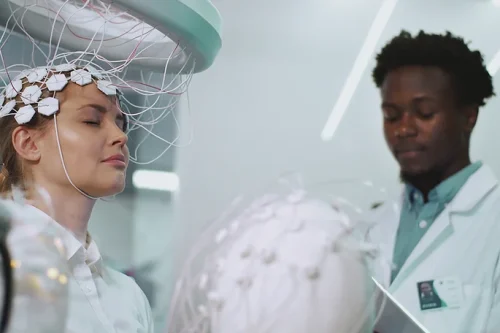
qEEG brain mapping is a cutting-edge technology for diagnosing ADHD in Denver. qEEG, or quantitative electroencephalography, is a brain imaging technique that uses computer software to measure electrical activity in the brain. This type of testing can be done at a specialized clinic or laboratory and involves the use of sensors placed on the scalp that measure the electrical activity of the brain.
qEEG brain mapping can be used to detect abnormalities in brain activity and assess how well different parts of the brain are communicating with each other. This can help to identify areas of the brain that may be involved in ADHD, such as the prefrontal cortex, basal ganglia, and cerebellum.
When undergoing qEEG brain mapping for ADHD, your clinician will look for patterns of hyperactivity, hypoactivity, and/or disorganized activity in your brain. The results of your qEEG can then be used to tailor an individualized treatment plan to address your specific needs.
If you are considering undergoing qEEG brain mapping for ADHD in Denver, it is important to find a qualified clinician who is experienced in using this technology. A good place to start your search is by asking your primary care physician or psychiatrist for referrals to specialists in the area. It is also important to discuss any questions or concerns you have before beginning the procedure.
How to Prepare for your qEEG Brain Map Test for ADHD
Before your test, it’s important to know what to expect and prepare accordingly. Here are a few tips for how to best prepare for your qEEG brain map test:
1. Avoid Caffeine: Since caffeine can have a significant impact on the results of a qEEG brain map test, it’s important to avoid caffeine 24 hours before the test. This means no coffee, tea, soda, or energy drinks.
2. Get Plenty of Rest: Make sure to get plenty of rest the night before the test. Try to get at least 8 hours of sleep so that you are well-rested and able to concentrate during the testing process.
3. Dress Comfortably: Wear comfortable clothes that you can relax in while the electrodes are being placed on your scalp. It’s also a good idea to bring a hat in case you need to cover up the electrodes when leaving the clinic.
4. Avoid Alcohol: To ensure you get a good night of sleep, avoid alcohol the night and day before your ADHD test.
Treatment Options After Your ADHD Testing: Neurofeedback and Therapy for ADHD
After your ADHD testing, it is important to find the right treatment option that is best suited to your individual needs. Treatment options for ADHD can range from lifestyle modifications such as nutrition and exercise, to cognitive behavior therapy, to medications.
Nutrition and exercise play an important role in treating ADHD. A balanced diet with healthy fats, protein, complex carbohydrates, and essential vitamins and minerals can help provide energy and focus throughout the day. Exercise has also been proven to help reduce symptoms of ADHD.
Cognitive Behavior Therapy (CBT) for ADHD
Cognitive behavior therapy (CBT) is a type of therapy that helps to modify unhelpful thoughts and behaviors related to ADHD. CBT works to teach skills such as organization, time management, problem solving, and planning. This type of therapy often involves working with a professional such as a psychologist or psychiatrist.
Neurofeedback Therapy for ADHD
Neurofeedback is a non-invasive, therapeutic technique that has been used to help people with Attention Deficit Hyperactivity Disorder (ADHD). Neurofeedback is a type of biofeedback, where the patient is taught to gain conscious control of their brainwaves. The aim of neurofeedback is to help people with ADHD increase focus, reduce hyperactivity, and improve overall attention and concentration.
Neurofeedback utilizes electroencephalography (EEG) technology to measure brainwaves. EEGs are able to detect small electrical changes in the brain. Neurofeedback uses this information to guide the patient through exercises that can help them regulate their own brainwave activity. This helps to reduce impulsivity and hyperactivity, as well as increase focus and concentration.
Neurofeedback can be done at home or in an office setting. At home, a small device is placed on the head to measure the brainwave activity while the patient engages in activities like playing video games or watching movies. In office settings, EEG equipment is used to monitor the patient’s brainwaves while they watch videos or listen to music. The patient receives real-time feedback on their brainwave patterns, which helps them to learn how to regulate their own brainwave activity.
Neurofeedback can help people with ADHD increase their focus and concentration, reduce hyperactivity, and learn how to better manage their symptoms. It is important to note that neurofeedback is not a substitute for traditional medical treatments like medications, but it can be used as a complementary treatment. If you are considering trying neurofeedback for ADHD, it is important to talk to your doctor about your options and find a qualified professional who can provide the best care for you.
Let’s Get Started
Get started with qEEG Brain Mapping for ADHD Testing Near Me in Denver and understand your treatment options from Licensed, Master’s Level Clinicians and Evaluators for ADHD in Denver here.