Understanding Sensory Processing and the Brain
Sensory processing involves how the brain interprets signals from the body’s senses—sight, sound, touch, taste, smell, and movement. When this system is dysregulated, a child may become overwhelmed by lights, textures, or noises, or conversely, may seek out intense sensory input. Brain mapping for sensory processing issues can detect atypical brainwave activity that contributes to these sensitivities, particularly in areas related to attention, arousal, and sensory integration.
How Brain Mapping Helps Children Thrive
With qEEG data, clinicians can pinpoint patterns that suggest sensory overload or under-responsiveness. This allows them to create individualized interventions—such as neurofeedback therapy or occupational therapy—that address the root of the issue, not just the symptoms.
Benefits of brain mapping include:
- Better Emotional Regulation: Reducing frustration and emotional outbursts.
- Improved Focus and Behavior: Enhancing attention and school performance.
- Greater Sensory Tolerance: Easing sensitivity to touch, sound, or light.
- Custom Treatment Plans: Informing therapies with real brain data.
A Gentle and Non-Invasive Assessment Tool
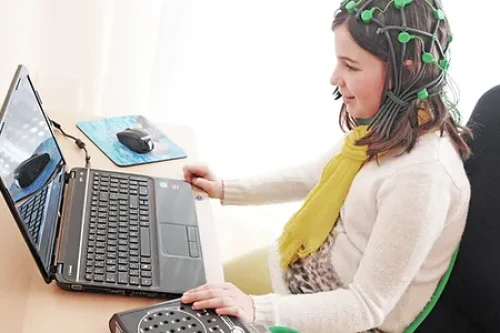
The process is safe and child-friendly. During a brain mapping for sensory processing issues, your child wears a cap that records brainwaves. There are no needles or radiation—just a real-time look into how their brain is functioning. This empowers caregivers to make informed decisions and give their child the best chance at developmental success.
 Ready to Learn What’s Behind the Sensory Struggles?
Don’t leave your child’s progress to trial and error. With brain mapping for sensory processing issues, you can identify the neurological patterns behind their behavior and begin a personalized journey toward better focus, calm, and connection. Book a consultation today with Connected Brain Counseling.
- The Child Mind Institute – Offers a clear explanation of how sensory processing issues affect children and how brain-based tools can help. Visit Child Mind Institute
- Sensory Integration Global Network – Highlights clinical evidence supporting neurological assessments for sensory challenges. Visit SIG Network
- Frontiers in Integrative Neuroscience – Details research on brainwave abnormalities in children with sensory processing disorders. Visit Frontiers