
How Neurofeedback Works in Addiction Recovery
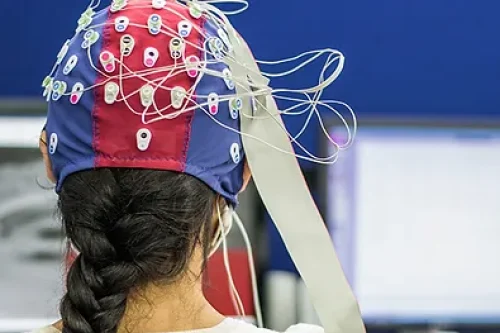
Neurofeedback therapy uses real-time brainwave monitoring to help individuals regulate their brain function. Substance abuse often alters brainwave patterns, leading to heightened impulsivity, emotional instability, and poor decision-making. By training the brain to function optimally, neurofeedback helps reduce cravings and improve self-control.
Benefits of Neurofeedback for Addiction Recovery
- Reduces Cravings: Helps balance brain activity associated with addictive behaviors.
- Improves Emotional Regulation: Supports better management of stress and emotional triggers.
- Enhances Cognitive Function: Strengthens focus, memory, and decision-making skills.
- Non-Invasive and Drug-Free: Provides a natural approach to healing without medication side effects.
- Supports Long-Term Recovery: Helps sustain progress by reinforcing healthier brain patterns.
Combining Neurofeedback with Traditional Therapies
For best results, neurofeedback therapy is often integrated with conventional addiction treatments such as cognitive behavioral therapy (CBT), 12-step programs, and lifestyle modifications. This combination addresses both neurological and psychological aspects of addiction, improving overall treatment outcomes.
- Neurofeedback and Substance Use Disorders – Research on how neurofeedback aids in addiction treatment. Link
- Brainwave Training for Addiction Recovery – A study on the role of neurofeedback in reducing relapse rates.
- Neurofeedback as an Emerging Tool in Addiction Therapy – An overview of how neurofeedback complements traditional recovery methods.
Start your Journey to Recevery
If you or someone you love is struggling with addiction, neurofeedback therapy may be the missing piece in achieving long-term recovery. Contact Connected Brain Counseling today for a free consultation and discover how neurofeedback can support your healing process.