Understanding qEEG Brain Mapping
qEEG brain mapping is a neuroimaging tool that measures electrical activity across different regions of the brain. By comparing an individual’s brainwave data to a normative database, clinicians can identify patterns of dysregulation that may correspond to emotional or cognitive symptoms.
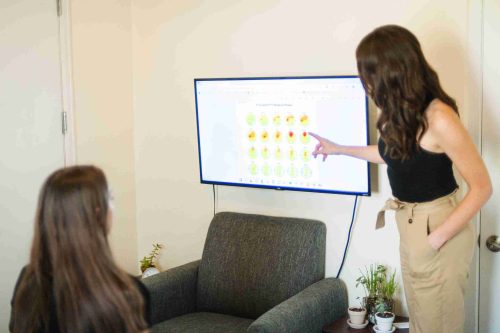
Unlike traditional assessments, which rely mainly on behavioral observations, qEEG provides a visual “map” of how the brain is functioning. This map can reveal overactivity in stress-related regions, underconnectivity in attention areas, or irregular rhythms linked to mood disorders. Over time, repeated scans allow therapists to track real neurophysiological changes as patients progress through treatment.
Tracking Progress Objectively
One of the most powerful aspects of qEEG brain mapping for mental health tracking is its ability to provide data-driven insights. For example, a patient undergoing neurofeedback or psychotherapy can see measurable shifts in their brainwave coherence and amplitude, reflecting improved regulation and connectivity.
These objective measures are especially valuable in complex cases, such as trauma recovery or chronic anxiety, where subjective improvements might take longer to notice. Clinicians can use this information to adjust therapy, ensuring the interventions remain targeted and effective.
Personalized Treatment and Long-Term Benefits
qEEG brain mapping not only tracks progress but also personalizes treatment from the start. By identifying which brain areas are underperforming or overstimulated, clinicians can create neurofeedback protocols that directly address those patterns. Over time, this approach supports long-term mental health improvements, better emotional regulation, and enhanced cognitive performance.
Patients also benefit from visual proof of their progress, which can increase motivation and trust in the therapeutic process. Seeing measurable changes in their brain activity reinforces the connection between consistent therapy and real transformation.
A Glimpse into the Future of Mental Health Care
The integration of qEEG brain mapping into mental health treatment represents a shift toward precision-based care. As technology continues to evolve, clinicians will gain even deeper insight into how the brain responds to therapy, allowing for earlier detection of dysregulation and more personalized recovery paths.
For clients, it means hope—seeing tangible proof that healing is happening not just emotionally, but neurologically.
If you or someone you love is ready to take a data-driven approach to healing, Connected Brain Counseling offers professional qEEG brain mapping for mental health tracking and neurofeedback therapy in Denver. Contact us today to schedule a free consultation and begin understanding your brain’s story.
- Psychology Today – Discusses how qEEG is revolutionizing personalized approaches to mental health care: https://www.psychologytoday.com/us
- National Library of Medicine – Highlights the use of quantitative EEG as a biomarker for psychiatric progress tracking: https://pubmed.ncbi.nlm.nih.gov
- Forbes Health – Explains how brain mapping helps improve therapy outcomes through objective data: https://www.forbes.com/health/