What Is Neurofeedback Therapy?
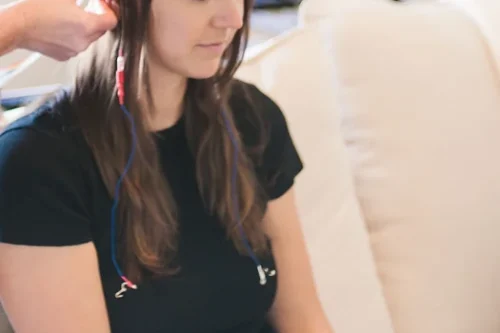
Also known as brainwave training, is a technique that involves monitoring and adjusting brain activity in real-time. Using advanced technology, electrodes are placed on the scalp to measure brainwaves, allowing the therapist to provide feedback that helps the brain self-regulate. This process helps in optimizing brain function and addressing the imbalances often caused by traumatic brain injuries.
How Does Neurofeedback Support TBI Recovery?
For individuals recovering from a TBI, the brain may experience dysregulated activity in specific regions, leading to cognitive, emotional, and physical challenges. Neurofeedback therapy aims to re-train the brain to achieve a more balanced state, thus promoting healing. Here’s how it supports recovery:
- Enhancing Cognitive Function: Through brainwave optimization, This therapy helps improve focus, memory, and problem-solving skills that may be impaired after a TBI.
- Managing Emotional Regulation: TBI often leads to mood swings, anxiety, or depression. This therapy can help stabilize emotions by addressing imbalances in the brain’s emotional processing centers.
- Reducing Post-Traumatic Stress: For those with TBI-related PTSD, This therapy aids in reducing stress responses, enabling better emotional control and recovery.
- Improving Sleep Quality: Sleep disturbances are common after brain injuries. This therapy assists in regulating brainwave patterns, leading to improved sleep and recovery.
Neurofeedback vs. Traditional TBI Treatments
While traditional treatments for TBI, such as medications and physical therapy, focus on managing symptoms, neurofeedback therapy takes a more holistic approach by addressing the root causes of brain dysfunction. Some key advantages include:
- Non-invasive and Drug-Free: Unlike medications that may have side effects, neurofeedback therapy offers a natural method for brain healing.
- Customized Treatment Plans: Neurofeedback therapy is personalized to the individual’s unique brain activity, ensuring optimal results.
- Long-Term Benefits: Neurofeedback therapy helps to create lasting improvements in brain function, rather than just providing temporary relief.
 How to Get Started with Neurofeedback Therapy for TBI Recovery
If you or a loved one is recovering from a traumatic brain injury, consider neurofeedback therapy as part of the rehabilitation process. The first step is to schedule a consultation with a qualified provider. Through a comprehensive brain assessment, the therapist can design a personalized plan tailored to your specific recovery needs.
- Neurofeedback for Traumatic Brain Injury Recovery – Overview of how neurofeedback can improve cognitive function and emotional regulation after a TBI. Link
- The Effectiveness of Neurofeedback in Brain Injury Recovery – Research on the benefits of neurofeedback in TBI rehabilitation. Link
- Neurofeedback and Cognitive Rehabilitation after TBI – A study on the effectiveness of neurofeedback in supporting cognitive rehabilitation after brain injuries. Link