A non-invasive assessment that creates a visual map of your brain’s patterns—attention, arousal, and regulation. It provides an objective baseline to track change over time and choose the right starting point, so your treatment plan is informed by data, not guesswork. Safe, medication-neutral, and designed to inform—not label.
You might consider a brain map if…
A brain map doesn’t treat symptoms—it informs care for:
Share goals, confirm fit, and review logistics (in-office recording + virtual review).
We record resting-state EEG with a snug sensor cap (eyes open/closed). The qEEG data is then reviewed with you to assess what brain patterns relate to your challenges and strengths. It’s not used on it’s own to diagnose, but can be used alongside other assessment tools to aid clarifying what’s happening.
A clear, data-informed plan forward. This can include a neurofeedback protocol and/or counseling sessions.
From here, you can begin personalized and targeted neurofeedback programs consisting of 40-60 sessions from home or in our offices. Counseling may also be part of the plan alongside neurofeedback. Couples can also benefit from shared brain map reviews to better understand eachother in moments of stress and connection. Results depend on consistency, goals, and personal responses to treatment.

*Includes a one hour data collection session + one hour review with a Licensed Clinical Therapist
*Includes a one hour data collection session + one hour review with a Licensed Clinical Therapist
No. A qEEG is an assessment tool that compares your recording to reference norms to highlight patterns related to arousal, attention, or regulation. We combine those findings with your history and goals to recommend next steps; diagnosis comes from a broader clinical evaluation.
Comfortable and non-invasive. You’ll wear a snug sensor cap while seated. Sensors measure (they don’t stimulate). Collection takes about an hour; review happens via telehealth where we explain results in plain English and answer questions.
No. Many clients choose neurofeedback because the map makes training more targeted, but others use results to guide counseling, sleep routines, or referrals. We’ll offer options; you choose what fits your goals and budget.
Medications can influence brain activity. We document your regimen so we can interpret results appropriately. We’re medication-neutral and coordinate with prescribers only with your consent. Never change medications without your provider’s guidance.
If you start a program like neurofeedback, many clients repeat a map after a treatment block (e.g., 30–40 sessions) or at major milestones to quantify change. Timing depends on goals, cadence, and how you’re feeling; we’ll advise during review.
Peer-reviewed studies, articles, and respected overviews to help you understand benefits, limits, and next steps.

We’ll review your goals, outline logistics, and map clear next steps—no pressure, just information.
Select what you’re looking for:
Select what you’re looking for:
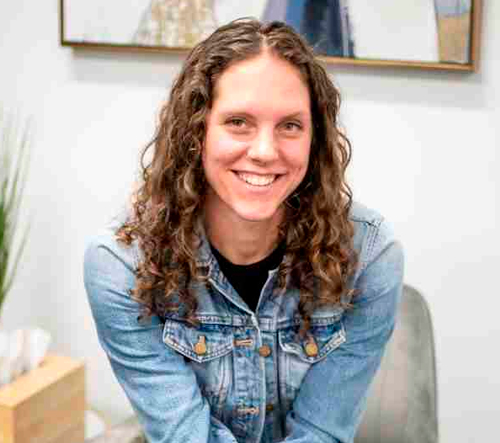
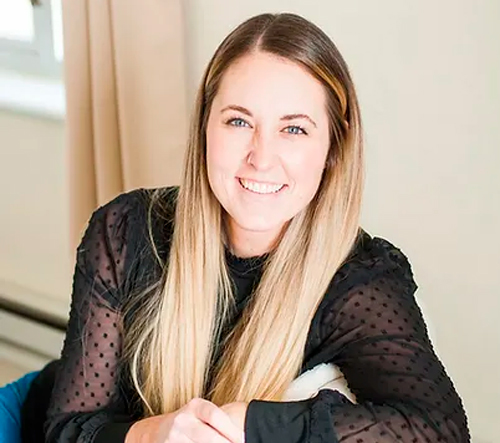
I support adults and teens (15+) who are ready to find relief from trauma, anxiety, depression, or feeling stuck in life, career, or identity transitions. Using a compassionate, trauma-informed, and integrative approach, I help clients reconnect with themselves and move toward balance and resilience. I’m EMDR-trained and draw from person-centered, gestalt, DBT, and somatic practices. Whether we’re working with the nervous system, processing painful memories, or exploring patterns with curiosity, my goal is to create a safe, collaborative space where you feel supported, present, and empowered to grow. I especially enjoy working with athletes, creative people, students, and outdoor adventurers who value resilience, beauty, and balance. Alongside therapy and grounding practices, I also offer neurofeedback as another powerful pathway for nervous system regulation and healing. Outside the office, you’ll often find me climbing, fly fishing, running trails, foraging, or relaxing in the grass under the aspens. My love for movement, play, and nature continually inspires how I show up with clients.
I specialize in working with women in their 20s to 50s who struggle with self-worth, self-esteem, and the guilt that often comes with prioritizing themselves. Finding self-trust and the ability to feel worthy of happiness are common topics in my work. My clients tend to put off therapy because they downplay their struggles, describing their pain as ‘not that big of a deal.’ Many of them grew up in households where expressing emotions wasn’t encouraged and they are still looking for security now. My goal is to create a space where you feel completely free to be yourself—no pressure, no expectations. Therapy with me isn’t about either of us being ‘perfect’—it’s more about you feeling safe, seen, and supported as you figure things out in a way that works for you. I prioritize meaningful conversations that get to the heart of the issue, getting to the root and out of surface level conversation quickly. Going through my own therapy has given me a deeper understanding of what it’s like to be in the client’s seat, and it’s made me even more passionate about helping others find the support that truly works for them. My clients describe me as focused, compassionate, nonjudgmental, and down-to-earth. I truly love what I do and that comes through in my work! I’m a person-centered therapist, but I often integrate elements of Motivational Interviewing, CBT, and IFS.
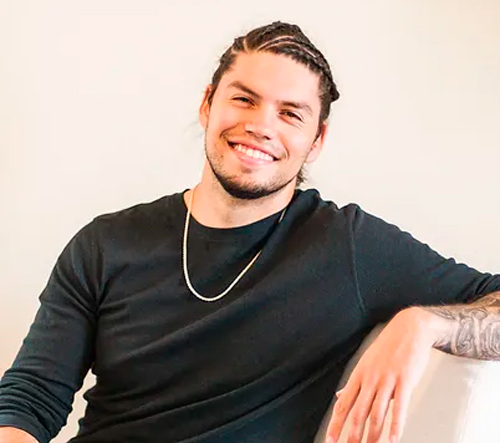
Pauly is a Colorado native who received his MA in Clinical Mental Health Counseling at Regis University, and is a current doctoral candidate for a PhD in Clinical Psychology program at Fielding Graduate University. Pauly is an empathetic counselor who believes in a compassionate, yet direct approach to therapy. Pauly believes his clients are the experts of their experience. Through a collaborative lens, clients who work with Pauly are able to gain meaningful insight into their experience which in-turn provides the essential resources for navigating change and/or healing emotional wounds. Pauly utilizes an integrated trauma-informed lens blended with evidence-based modalities including ACT, CBT, EFT, and more. Pauly specializes in working with adult individuals and couples, with several years of experience working directly with a broad range of presenting challenges including relationship challenges, PTSD & complex trauma, substance use disorders, mood disorders, personality disorders, and more. More importantly, Pauly believes in building a safe space in which each and every one of his clients feels seen & heard. Pauly identifies as a Latino-American, and is passionate about conducting therapy utilizing a social justice & diversity-informed lens. Pauly has a strong background working with multicultural identities, and believes in the importance of recognizing our unique differences. Pauly loves staying active through basketball, tennis, volleyball, hiking, dancing, strength training, and more. Additionally, Pauly spends time actively engaging in ongoing research projects in trauma, social justice, and neuropsychology.

I am a therapist who works with children, adolescents, and adults to strengthen emotional regulation, increase self-awareness, and build sustainable coping strategies. I specialize in trauma recovery and nervous-system regulation, supporting clients who experience anxiety, chronic stress, emotional dysregulation, and the lingering effects of trauma. My clinical approach blends EMDR, CBT, DBT, Motivational Interviewing, and play therapy, allowing me to tailor treatment to each client’s developmental stage, therapeutic goals, and individual strengths. I integrate mindfulness practices and nervous-system education to help clients better understand their internal experiences and respond with greater clarity, flexibility, and control. My work is trauma-informed, structured, and collaborative, with a strong emphasis on creating a steady, supportive environment where growth feels both safe and achievable. I have extensive experience supporting neurodiverse individuals, including those with ASD and ADHD, and provide structured support for executive functioning and daily-life skills. I also work closely with children and adolescents navigating behavioral or emotional challenges, as well as families seeking improved communication and more effective coping strategies.
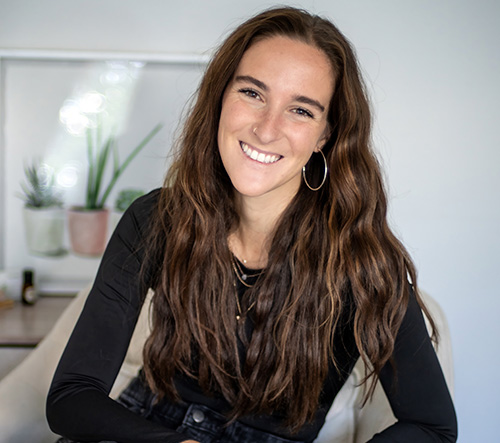
Mackenzie believes therapy shouldn’t feel stiff or intimidating— it’s a space for connection, growth, and healing. She brings a warm, casual, and practical style to her work, creating a grounded space where clients feel safe, seen, and supported. Using a systemic lens, Mackenzie considers the full context of her clients’ lives — including family dynamics, culture, relationships, and societal pressures. She works with individuals ages 10+, specializing in adolescents, young adults, relational challenges, men’s mental health, and OCD (using Exposure and Response Prevention). Her integrative approach combines in-session reflection with practical tools to be used outside of the therapy room. She draws from evidence-based modalities such as Internal Family Systems (IFS/parts work), Cognitive Behavioral Therapy (CBT), Exposure and Response Prevention (ERP), and Emotionally Focused Therapy (EFT). With adolescents and teens, she often uses creative, individualized methods to build trust and engagement. Outside the therapy room, Mackenzie enjoys all things outdoors with her pup, volunteering with an adaptive skiing program, and traveling to visit family.

Brianna believes in a holistic approach to counseling, integrating mind, body, and spirit in her work with clients. She strives to help clients weave the various aspects of their lives together through a collaborative approach, meeting her clients where they’re at and partnering with them to create lasting change and a greater sense of wholeness in their lives. Brianna seeks to create a grounding and non-judgmental space where clients can explore their thoughts, emotions, and experiences with freedom and authenticity. She embraces a variety of evidence-based treatment modalities to best meet her clients’ specific needs and goals, such as trauma-informed CBT, DBT, mindfulness-based techniques, solution-focused therapy, emotion-focused therapy, and humanistic approaches. In her work with couples, Brianna focuses on helping partners improve communication, strengthen their emotional connection, and navigate challenges such as conflict resolution, intimacy issues, and life transitions. She believes that life-giving, functioning relationships are foundational to a person’s sense of well-being. Brianna is certified in facilitating both SYMBIS and Prepare-Enrich couples counseling sessions. In her free time, she can often be found adventuring outside with her husband and pup, hosting a game night, or enjoying time with community.