Sleep issues in children often go beyond nighttime restlessness. Insomnia, difficulty falling asleep, night terrors, or restless sleep can negatively affect daytime behavior, attention span, mood, and academic performance. These problems are especially common in kids with ADHD or anxiety.
Neurofeedback for kids with sleep issues is a non-invasive solution that targets the brain’s self-regulation mechanisms—helping restore healthier sleep patterns and improving daytime focus and mood.
Understanding Neurofeedback for Kids with Sleep Issues
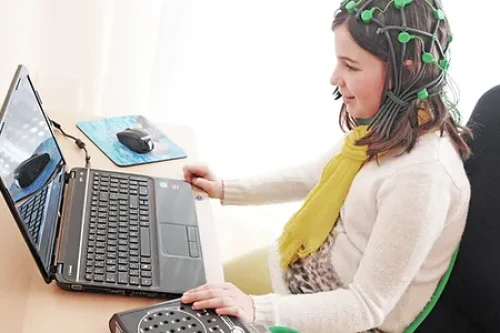
Neurofeedback for kids with sleep issues works by monitoring a child’s brainwave patterns in real time using EEG sensors. It then provides visual or auditory feedback that teaches the brain to function more efficiently.
For children with sleep difficulties, this often means training the brain to reduce excessive high-frequency activity (linked to hyperarousal or anxiety) and increase the brainwaves associated with calmness and relaxation.
Benefits Beyond Better Sleep
By improving sleep quality, neurofeedback for kids with sleep issues has a ripple effect across other areas of a child’s life:
- Improved Focus and Learning: Rested brains are more attentive and retain information better.
- Emotional Stability: Children show fewer mood swings and outbursts.
- Better Behavior: Reduced hyperactivity and impulsivity during the day.
- Reduced Anxiety: Improved sleep often lowers anxiety levels in kids.
Who Can Benefit?
Neurofeedback for kids with sleep issues is especially helpful for:
- Children with ADHD or sensory processing issues
- Kids experiencing frequent nightmares or restless sleep
- Families seeking natural alternatives to medication
- Young students struggling with focus or classroom behavior
 Help Your Child Sleep Better Naturally
If your child struggles with restlessness, daytime fatigue, or focus problems, neurofeedback for kids with sleep issues could be the gentle, effective solution you’ve been looking for. Connected Brain Counseling offers specialized care for children, helping them build stronger brain patterns that lead to better sleep—and a better day.
- ADDitude Magazine – “Neurofeedback Therapy for Children”
Explains how neurofeedback benefits kids with ADHD and sleep challenges, based on clinical studies. - Child Mind Institute – “Sleep and Mental Health in Children”
Covers the importance of sleep for emotional regulation and cognitive performance in kids. - Frontiers in Human Neuroscience – “Neurofeedback and Sleep Regulation”
Highlights research on neurofeedback’s role in improving sleep architecture and reducing sleep onset latency.