For many children, navigating social situations can be difficult. Struggles with emotional regulation, attention, or anxiety often interfere with making friends, working in groups, or communicating effectively. Neurofeedback for children’s social skills provides an innovative and supportive way to strengthen the brain’s ability to manage emotions, stay calm, and engage positively with peers.
How Social Challenges Relate to Brain Function
Social difficulties in children are often connected to dysregulated brainwave activity in areas responsible for focus, empathy, and self-control. When these regions are imbalanced, kids may experience frustration, impulsivity, or withdrawal. Neurofeedback for children’s social skills works by identifying these irregular patterns and training the brain to operate in a healthier, more balanced state.
Benefits of Neurofeedback for Social Development
Through consistent training, neurofeedback helps children build the neurological foundation for emotional and social growth. The benefits of neurofeedback for children’s social skills include:
- Improved Emotional Regulation: Reducing outbursts and frustration in social settings.
- Better Communication: Helping children express themselves clearly and confidently.
- Enhanced Focus: Supporting attention during group activities and conversations.
- Increased Confidence: Encouraging kids to engage more openly with peers.
A Safe and Supportive Approach for Children
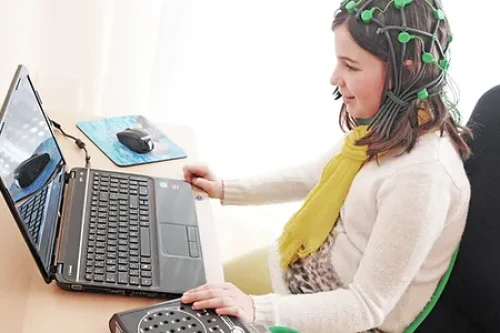
The process of neurofeedback for children’s social skills is gentle and non-invasive. Children simply wear sensors that monitor brainwave activity while engaging in training exercises, often involving games or visual feedback. Over time, their brains learn new patterns that support healthier emotional responses and stronger social connections.
 Helping Children Thrive Socially and Emotionally
Every child deserves the chance to feel comfortable and confident in social interactions. With neurofeedback for children’s social skills, parents can provide their children with tools to build resilience, improve friendships, and succeed in both school and daily life. Contact Connected Brain Counseling today to schedule a free consultation and learn how this therapy can support your child’s social development.
- Child Mind Institute – Offers resources on how brain-based interventions support emotional and social growth in children. Visit Child Mind Institute
- Harvard Health Publishing – Highlights research on brain function and child behavior. Visit Harvard Health
- Frontiers in Human Neuroscience – Publishes studies on neurofeedback and its effects on emotional regulation and social behavior. Visit Frontiers