
What Is Neurofeedback?
Neurofeedback is a non-invasive, drug-free therapy that trains the brain to self-regulate its activity. By using real-time monitoring of brainwaves, neurofeedback helps identify irregular patterns and teaches the brain to operate more efficiently. This technique has been proven effective in addressing conditions such as ADHD, anxiety, and, more recently, learning disabilities.
How Neurofeedback Benefits Children with Learning Disabilities
Neurofeedback for children with learning disabilities provides targeted support to enhance cognitive functions and academic performance. Here are some key benefits:
1. Improved Focus and Attention
Children with learning disabilities often struggle with sustaining focus. Neurofeedback trains the brain to maintain optimal attention levels, making it easier for children to stay engaged in their studies.
2. Enhanced Memory Retention
Learning disabilities can affect a child’s ability to retain and recall information. Neurofeedback strengthens brain connectivity, improving short- and long-term memory.
3. Better Emotional Regulation
Frustration and anxiety are common among children with learning disabilities. Neurofeedback helps balance brain activity, fostering a sense of calm and emotional stability.
4. Tailored Interventions for Unique Needs
Each child’s brain activity is unique. Neurofeedback therapy creates personalized training programs based on the child’s specific challenges and strengths.
5. Non-Invasive and Safe
Neurofeedback is a painless, non-invasive therapy that does not involve medication, making it an appealing option for parents seeking natural interventions.
The Neurofeedback Process for Children
- Initial Assessment: A clinician performs a brain mapping session (qEEG) to identify irregular brainwave patterns linked to learning challenges.
- Customized Training Plan: Based on the findings, a personalized neurofeedback program is designed.
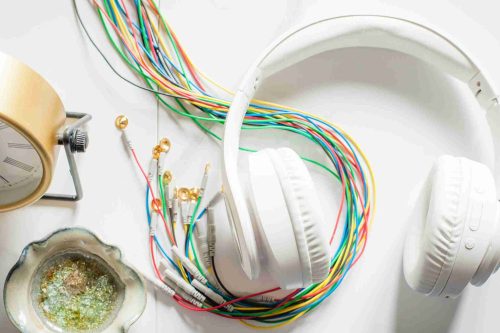
- Neurofeedback Sessions: During each session, sensors monitor the child’s brain activity while they engage in interactive activities. Positive feedback is provided when the brain operates within desired patterns.
- Progress Monitoring: Regular assessments track improvements in brain function and academic performance.
Success Strories of Neurofeedback for Learning Disabilities
Numerous studies and anecdotal reports highlight the transformative impact of neurofeedback for children with learning disabilities. Parents have observed significant improvements in their children’s ability to focus, retain information, and manage stress, resulting in greater confidence and academic success.
Is Neurofeedback Right for Your Child?
If your child is struggling with reading difficulties, dyslexia, ADHD, or other learning challenges, neurofeedback could be a valuable addition to their support system. This therapy works well alongside traditional educational interventions and can lead to lasting improvements in both cognitive and emotional well-being.
Why Choose Connected Brain Counseling?
At Connected Brain Counseling, we specialize in providing neurofeedback for children with learning disabilities. Our compassionate team tailors each therapy plan to your child’s unique needs, ensuring they receive the support necessary to thrive academically and emotionally.
- “Neurofeedback and its role in treating learning disabilities.” NeuroTherapy Journal.
- “The science behind neurofeedback for children.” BrainHealth Research Institute.
- “Improving academic outcomes with neurofeedback.” Learning Support Today.
Take the First Step Today
Want to learn how neurofeedback for children with learning disabilities can benefit your child? Contact Connected Brain Counseling for a consultation. Together, we’ll unlock your child’s potential and pave the way for their success.