How Neurofeedback therapy Affects Sleep
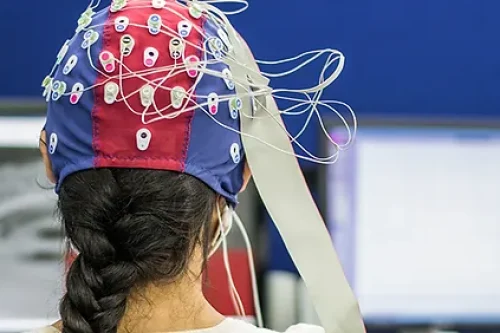
Neurofeedback is a non-invasive technique that monitors brainwave activity and trains the brain to self-regulate. Sleep disorders often stem from imbalances in brainwave patterns, particularly an overactive beta frequency or underactive delta waves. By targeting these irregularities, neurofeedback helps children achieve a balanced mental state conducive to restful sleep.
Benefits of Neurofeedback therapy for Sleep Improvement
- Regulates Brainwave Activity: By stabilizing the brain’s activity, neurofeedback reduces hyperarousal that can lead to difficulty falling asleep.
- Reduces Anxiety and Stress: Many sleep disorders in children are linked to anxiety. Neurofeedback helps calm the nervous system, making relaxation easier.
- Improves Sleep Onset and Duration: Training the brain to maintain proper sleep-related patterns can lead to quicker sleep onset and longer sleep duration.
- Enhances Deep Sleep Stages: The therapy promotes restorative sleep by increasing the efficiency of slow-wave sleep, which is crucial for growth and cognitive function.
 Neurofeedback therapy vs. Traditional Sleep Aids
Unlike medications that often come with side effects or dependency risks, neurofeedback therapy offers a long-term, natural approach to improving sleep. By training the brain rather than masking symptoms, the benefits extend beyond sleep, improving attention, emotional stability, and overall neurological health.
- Neurofeedback and Sleep Disorders in Children – A study on the effectiveness of neurofeedback in treating pediatric sleep disturbances. Link
- Brainwave Regulation and Its Impact on Sleep Quality – Research on the connection between brainwave activity and sleep improvement. Link
- Non-Pharmacological Treatments for Pediatric Insomnia – An overview of alternative therapies for sleep disorders in children. Link
Give Your Child the Gift of Restful Sleep
If your child struggles with sleep issues, neurofeedback therapy may provide the solution you’ve been searching for. Contact Connected Brain Counseling today to learn more about how neurofeedback can help improve your child’s sleep and overall well-being.