Cognitive decline is often a gradual process, with subtle brain changes occurring long before noticeable memory or attention problems arise. Early detection is key to slowing or even preventing further deterioration, especially among adults at risk for conditions such as dementia or Alzheimer’s disease. qEEG brain mapping for cognitive decline offers a scientifically grounded, non-invasive method to visualize these early changes, providing a window into how the brain is functioning in real time.
Understanding qEEG Brain Mapping
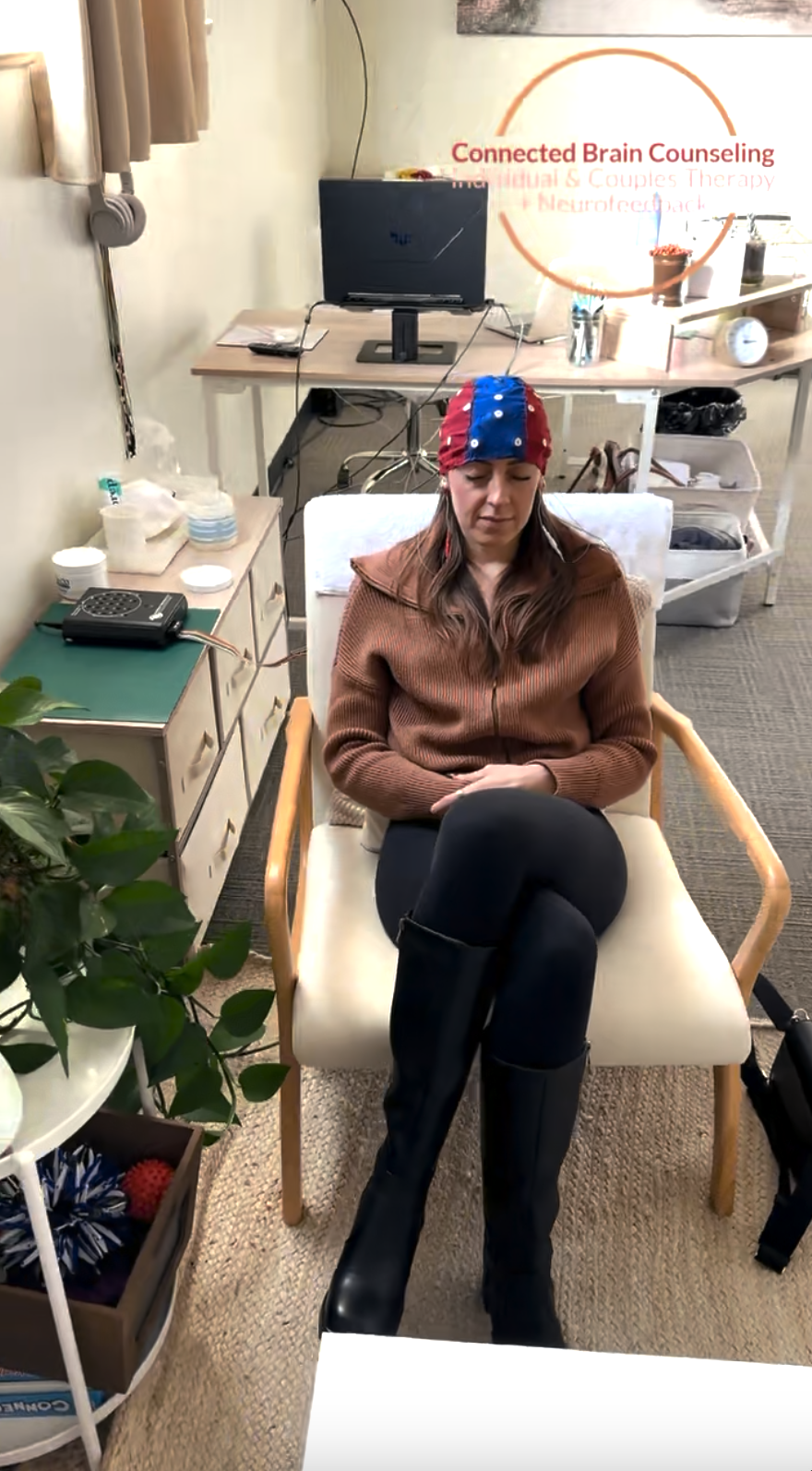
Quantitative electroencephalography (qEEG) measures and analyzes electrical activity across different areas of the brain. Unlike a traditional EEG, which simply records brainwave activity, qEEG converts this data into color-coded maps that reveal how specific brain regions are communicating and performing. This allows clinicians to pinpoint abnormalities that may indicate early signs of cognitive decline.
By comparing an individual’s brainwave patterns to a normative database, qEEG brain mapping for cognitive decline helps identify irregularities such as slowed processing speed, reduced coherence, or abnormal connectivity—all of which may be precursors to memory loss, poor attention, and executive dysfunction.
Why Early Detection Matters
Cognitive decline doesn’t happen overnight. It is often the result of years of subtle neurological dysregulation, inflammation, or reduced neural connectivity. Detecting these patterns early allows healthcare professionals to implement targeted interventions before symptoms worsen.
Through qEEG brain mapping for cognitive decline, clinicians can create personalized strategies involving neurofeedback therapy, cognitive training, and lifestyle adjustments to enhance brain performance and delay cognitive deterioration.
The Benefits of qEEG in Cognitive Health Monitoring
- Early Identification of Risk: Detects irregularities that traditional imaging (like MRI or CT scans) may overlook.
- Personalized Treatment Plans: Enables data-driven therapies tailored to individual brain patterns.
- Progress Tracking: Offers measurable insights into how interventions are improving brain function over time.
- Non-Invasive and Safe: Uses simple scalp sensors with no radiation or discomfort.
- Holistic Insight: Reveals how stress, sleep, mood, and neurological efficiency interact in cognitive performance.
qEEG and Neurofeedback: A Dynamic Duo
Once qEEG brain mapping for cognitive decline identifies regions of concern, neurofeedback therapy can be introduced to retrain these brain areas. By rewarding the brain for producing more optimal patterns of activity, neurofeedback strengthens neural pathways related to attention, memory, and processing speed—essential components of cognitive resilience.
This combination of qEEG assessment and neurofeedback intervention provides a proactive approach to maintaining brain health, particularly for aging adults, individuals with family histories of dementia, or those experiencing mild cognitive impairment.
Scientific Support for qEEG in Detecting Cognitive Changes
Research published in Frontiers in Aging Neuroscience and Clinical Neurophysiology demonstrates that qEEG can identify brainwave anomalies associated with mild cognitive impairment years before clinical symptoms appear. These findings underscore the potential of qEEG as a predictive biomarker for cognitive decline and as a guide for targeted early intervention.

Empowering Prevention Through Insight
At Connected Brain Counseling, qEEG brain mapping serves as the foundation for our personalized brain health programs. Each client receives a detailed brain map analysis and a customized care plan designed to strengthen cognitive function and emotional balance.
If you or a loved one are beginning to notice changes in memory, focus, or processing speed, qEEG brain mapping for cognitive decline can provide the clarity and direction needed to take proactive steps toward lasting cognitive wellness.
Take Control of Your Brain Health Today
Don’t wait until cognitive decline becomes visible—detect it early and take action. Schedule a free consultation with Connected Brain Counseling to learn how qEEG brain mapping can help preserve your memory, focus, and overall mental vitality.
- Frontiers in Aging Neuroscience – EEG Biomarkers for Cognitive Impairment – Reviews the role of qEEG in detecting early signs of Alzheimer’s and dementia.
- Clinical Neurophysiology – qEEG and Neurodegenerative Disease – Highlights how qEEG measures help distinguish between normal aging and pathological decline.
- National Institute on Aging – Cognitive Health and Early Intervention – Discusses the importance of early detection and lifestyle strategies to preserve cognitive health.