59f1af555f404c53a01c1d5a99ba4385

Recognizing the Signs of Contempt

Contempt is a toxic emotion that can severely damage relationships. It’s more than just occasional frustration or anger; it involves a deep-seated disrespect that undermines the foundation of any partnership. In this blog, we will explore the signs of contempt and how to address them to foster healthier and more respectful relationships.

Understanding Contempt

Contempt goes beyond simple disagreements. It manifests as a feeling of superiority over your partner and can erode trust and intimacy. Recognizing the signs of contempt is crucial to preventing it from ruining your relationship.

Common Signs of Contempt

     1. Sarcasm and Mocking

Using sarcasm or mocking your partner is a clear sign of contempt. It belittles their thoughts and feelings, creating a sense of inferiority. For instance, responding to a partner’s concern with a sarcastic comment shows a lack of respect.

     2. Eye Rolling and Sneering

Non-verbal cues like eye rolling and sneering are powerful indicators of contempt. These actions convey disdain and a lack of regard for the other person. When these behaviors become habitual, they signal a deeper issue of disrespect.

     3. Name-Calling and Insults

Using derogatory names or insults, even in jest, is a severe form of contempt. It attacks the person’s character and self-worth, leading to emotional harm. Consistently putting your partner down can destroy the emotional safety necessary for a healthy relationship.

     4. Hostile Humor

Humor should bring people closer, but hostile humor does the opposite. Jokes that ridicule your partner or make them the butt of jokes contributes to an environment of contempt. It’s important to differentiate between playful teasing and hurtful humor.

     5. Body Language

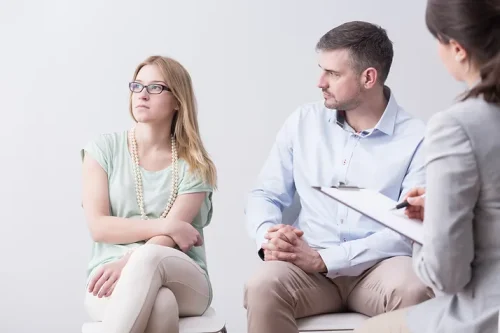
Body language can reveal contempt even when words do not. Crossing arms, turning away, or avoiding eye contact are signs that one partner feels superior or disconnected. These actions communicate disdain and can escalate conflicts.

Effects of Contempt on Relationships

Contempt is one of the most destructive emotions in a relationship. It erodes trust, intimacy, and mutual respect, often leading to the breakdown of communication. Over time, the constant presence of contempt can result in emotional and psychological harm, making it difficult for the relationship to recover.

How to Address Contempt

     1. Self-Reflection

Recognizing your own contemptuous behavior is the first step. Reflect on your actions and consider how they might be affecting your partner. Acknowledging your role in the problem is essential for change.

     2. Open Communication

Discussing feelings of contempt with your partner can be challenging, but it’s necessary for healing. Approach the conversation with empathy and a willingness to listen. Express your concerns without blaming or attacking.

     3. Seek Professional Help

Sometimes, contempt is deeply rooted and requires professional intervention. Couples therapy can provide a safe space to explore these issues and develop healthier communication patterns. A therapist can help identify underlying causes and work towards resolution.

     4. Practice Empathy

Developing empathy is crucial in overcoming contempt. Try to understand your partner’s perspective and validate their feelings. Empathy fosters connection and reduces the likelihood of contemptuous behavior.

     5. Focus on Positivity

Shift your focus from negative interactions to positive ones. Celebrate your partner’s strengths and achievements, and express gratitude for their contributions. Building a culture of appreciation can counteract the effects of contempt.

Recognizing the Signs of Contempt
Who Can Benefit from Addressing Contempt?

Anyone in a relationship, whether romantic, familial, or professional, can benefit from addressing contempt. Recognizing and eliminating contemptuous behavior can lead to healthier and more fulfilling interactions. Both partners must be committed to change for lasting improvement.

Why Choose Connected Brain Counseling?

At Connected Brain Counseling, we specialize in helping individuals and couples overcome the damaging effects of contempt. Our experienced therapists provide personalized strategies to improve communication, build empathy, and restore respect in relationships. We are dedicated to supporting your journey towards healthier connections.

Recognizing the signs of contempt is crucial for maintaining healthy relationships. By addressing contemptuous behavior and fostering empathy, you can build a more respectful and loving partnership. At Connected Brain Counseling, we are here to help you navigate these challenges and achieve emotional well-being.

  1. “The Dangers of Contempt in Relationships,” Gottman Institute. This article explores the impact of contempt on relationships and offers insights into managing it.
  2. “Understanding Contempt and How to Overcome It,” Psychology Today. This resource provides practical advice on recognizing and addressing contempt in relationships.

If you’re experiencing contempt in your relationship and need guidance, book a free consultation with Connected Brain Counseling today. Let our experienced therapists help you build a healthier and more respectful relationship.


Recommended for you:

Ready to Take the Next Step?

Share this post:

Counseling

Select what you’re looking for:

Specialized Therapies

Select what you’re looking for:

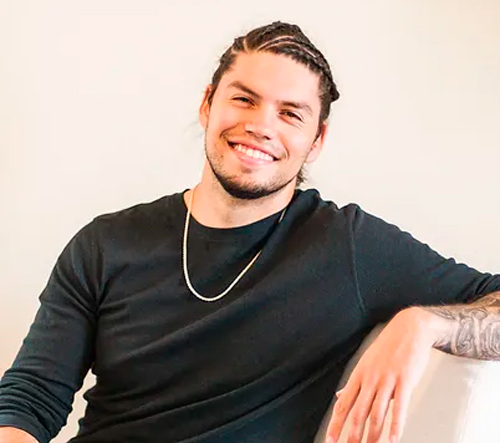
Pauly Munn, MA, LPC

Individual & Couples Counselor; Neurofeedback Clinician; EMDR-Trained (PhD Candidate)

Pauly is a Colorado native who received his MA in Clinical Mental Health Counseling at Regis University, and is a current doctoral candidate for a PhD in Clinical Psychology program at Fielding Graduate University. Pauly is an empathetic counselor who believes in a compassionate, yet direct approach to therapy. Pauly believes his clients are the experts of their experience. Through a collaborative lens, clients who work with Pauly are able to gain meaningful insight into their experience which in-turn provides the essential resources for navigating change and/or healing emotional wounds. Pauly utilizes an integrated trauma-informed lens blended with evidence-based modalities including ACT, CBT, EFT, and more. Pauly specializes in working with adult individuals and couples, with several years of experience working directly with a broad range of presenting challenges including relationship challenges, PTSD & complex trauma, substance use disorders, mood disorders, personality disorders, and more. More importantly, Pauly believes in building a safe space in which each and every one of his clients feels seen & heard. Pauly identifies as a Latino-American, and is passionate about conducting therapy utilizing a social justice & diversity-informed lens. Pauly has a strong background working with multicultural identities, and believes in the importance of recognizing our unique differences. Pauly loves staying active through basketball, tennis, volleyball, hiking, dancing, strength training, and more. Additionally, Pauly spends time actively engaging in ongoing research projects in trauma, social justice, and neuropsychology.

Pauly's Specialties

Brianna Herrera, MA, LPCC

Individual & Couples Counselor; Neurofeedback Clinician

Brianna believes in a holistic approach to counseling, integrating mind, body, and spirit in her work with clients. She strives to help clients weave the various aspects of their lives together through a collaborative approach, meeting her clients where they’re at and partnering with them to create lasting change and a greater sense of wholeness in their lives. Brianna seeks to create a grounding and non-judgmental space where clients can explore their thoughts, emotions, and experiences with freedom and authenticity. She embraces a variety of evidence-based treatment modalities to best meet her clients’ specific needs and goals, such as trauma-informed CBT, DBT, mindfulness-based techniques, solution-focused therapy, emotion-focused therapy, and humanistic approaches. In her work with couples, Brianna focuses on helping partners improve communication, strengthen their emotional connection, and navigate challenges such as conflict resolution, intimacy issues, and life transitions. She believes that life-giving, functioning relationships are foundational to a person’s sense of well-being. Brianna is certified in facilitating both SYMBIS and Prepare-Enrich couples counseling sessions. In her free time, she can often be found adventuring outside with her husband and pup, hosting a game night, or enjoying time with community.

Brianna's Specialties

Sydney Focht, MA, LPC

Clinical Director & Counselor

I specialize in working with women in their 20s to 50s who struggle with self-worth, self-esteem, and the guilt that often comes with prioritizing themselves. Finding self-trust and the ability to feel worthy of happiness are common topics in my work. My clients tend to put off therapy because they downplay their struggles, describing their pain as ‘not that big of a deal.’ Many of them grew up in households where expressing emotions wasn’t encouraged and they are still looking for security now. My goal is to create a space where you feel completely free to be yourself—no pressure, no expectations. Therapy with me isn’t about either of us being ‘perfect’—it’s more about you feeling safe, seen, and supported as you figure things out in a way that works for you. I prioritize meaningful conversations that get to the heart of the issue, getting to the root and out of surface level conversation quickly. Going through my own therapy has given me a deeper understanding of what it’s like to be in the client’s seat, and it’s made me even more passionate about helping others find the support that truly works for them. My clients describe me as focused, compassionate, nonjudgmental, and down-to-earth. I truly love what I do and that comes through in my work! I’m a person-centered therapist, but I often integrate elements of Motivational Interviewing, CBT, and IFS.

Sydney's Specialties

Cassandra Keller, MA, LPCC

Neurofeedback Clinician & Counselor (EMDR-Trained)

I support adults and teens (15+) who are ready to find relief from trauma, anxiety, depression, or feeling stuck in life, career, or identity transitions. Using a compassionate, trauma-informed, and integrative approach, I help clients reconnect with themselves and move toward balance and resilience. I’m EMDR-trained and draw from person-centered, gestalt, DBT, and somatic practices. Whether we’re working with the nervous system, processing painful memories, or exploring patterns with curiosity, my goal is to create a safe, collaborative space where you feel supported, present, and empowered to grow. I especially enjoy working with athletes, creative people, students, and outdoor adventurers who value resilience, beauty, and balance. Alongside therapy and grounding practices, I also offer neurofeedback as another powerful pathway for nervous system regulation and healing. Outside the office, you’ll often find me climbing, fly fishing, running trails, foraging, or relaxing in the grass under the aspens. My love for movement, play, and nature continually inspires how I show up with clients.

Cassandra's Specialties