
Understanding Brain Mapping
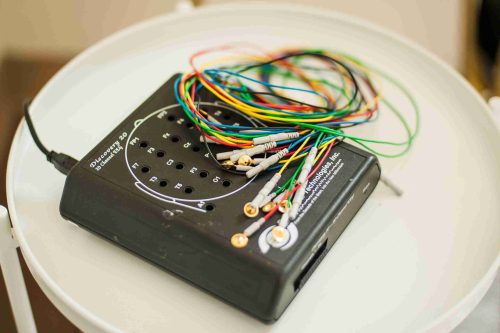
Brain mapping, also known as qEEG (quantitative electroencephalography), measures electrical activity in different regions of the brain. For individuals with ADHD, this technique can reveal irregular patterns such as overactivity in certain areas or underactivity in others. These insights allow clinicians to better understand how the brain processes attention, impulse control, and executive function. By using brain mapping for ADHD treatment, therapies can be tailored to the unique needs of each person.
Benefits of Brain Mapping in ADHD
One of the most significant benefits of brain mapping is its ability to provide a highly personalized approach to treatment. Instead of relying solely on generalized interventions, clinicians can create targeted therapy plans that address the specific brain patterns contributing to ADHD symptoms. This often leads to improved focus, reduced impulsivity, and better emotional balance. Families who choose brain mapping for ADHD treatment often report more effective results compared to traditional methods alone.
Brain Mapping as a Guide for Neurofeedback
Brain mapping also serves as a foundation for neurofeedback therapy. Once clinicians identify the unique brain patterns linked to ADHD, they can design neurofeedback sessions to train the brain toward healthier activity. Over time, this process helps individuals improve attention, regulate emotions, and reduce disruptive behaviors. Using brain mapping for ADHD treatment ensures that neurofeedback protocols are tailored to the individual, increasing their effectiveness.
Supporting Long-Term ADHD Management
Another advantage of brain mapping is its role in tracking progress over time. By conducting follow-up qEEG assessments, clinicians can monitor how the brain responds to therapy and make adjustments as needed. This ongoing evaluation provides families with reassurance that the treatment is working and supports long-term success in managing ADHD symptoms.
Brain mapping offers a transformative approach to ADHD treatment by uncovering the specific brain activity patterns that drive symptoms. When combined with therapies like neurofeedback, it provides a highly personalized path to improved focus, emotional regulation, and daily functioning.
If you are interested in exploring how brain mapping can support ADHD treatment for you or a loved one, contact Connected Brain Counseling today for a free consultation.