
Brain mapping for anxiety

The Role of Brain Mapping in Diagnosing and Treating ADHD

How Brain Mapping Identifies ADHD Patterns

qEEG brain mapping records electrical activity in the brain, highlighting specific patterns linked to ADHD. Research shows that individuals with ADHD often exhibit irregularities in theta and beta brainwave activity:

  • Elevated theta waves: Associated with inattention, brain fog, and daydreaming.
  • Reduced beta waves: Linked to difficulties with focus, organization, and task completion.
  • Imbalanced theta/beta ratio: A well-documented biomarker for ADHD, showing an excess of slow-wave activity in relation to fast-wave activity.

By analyzing these patterns, clinicians can make more accurate diagnoses and tailor treatment approaches to the individual’s neurological profile.

The Benefits of Brain Mapping for ADHD Treatment

  • Objective Diagnosis: Unlike subjective questionnaires, brain mapping provides measurable data on brain activity, reducing the risk of misdiagnosis.
  • Personalized Treatment Plans: By identifying specific brainwave imbalances, interventions can be customized for each person.
  • Tracking Progress: Brain mapping can monitor changes over time, helping clinicians assess the effectiveness of treatments such as medication, therapy, or neurofeedback.
  • Drug-Free Alternative: When combined with neurofeedback, brain mapping supports non-pharmaceutical approaches to ADHD management.

Brain Mapping and Neurofeedback: A Powerful Combination

Neurofeedback, a non-invasive brain training technique, works in conjunction with qEEG brain mapping to help individuals with ADHD regulate their brainwave activity. By providing real-time feedback, neurofeedback encourages the brain to produce more balanced patterns, leading to improvements in attention, impulse control, and executive function.

  • EEG Biomarkers for ADHD Diagnosis – A study exploring brainwave abnormalities in ADHD patients. Link
  • Neurofeedback as a Treatment for ADHD – Research examining the effectiveness of neurofeedback in improving ADHD symptoms. Link
  • The Role of Brain Mapping in Understanding Attention Disorders – A review on how qEEG provides insights into ADHD-related brain activity. Link

qEEG brain mappingTake Control of ADHD with Brain Mapping

If you or a loved one struggles with ADHD, qEEG brain mapping can offer a deeper understanding of brain function and guide effective treatment strategies. Contact Connected Brain Counseling today for a free consultation and discover how brain mapping can enhance ADHD diagnosis and management.

Recommended for you:

Ready to Take the Next Step?

Share this post:

Counseling

Select what you’re looking for:

Specialized Therapies

Select what you’re looking for:

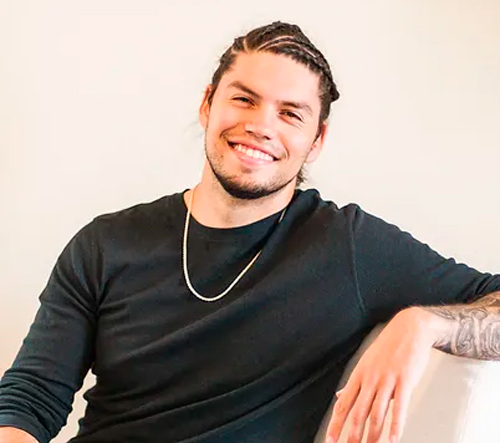
Pauly Munn, MA, LPC

Individual & Couples Counselor; Neurofeedback Clinician; EMDR-Trained (PhD Candidate)

Pauly is a Colorado native who received his MA in Clinical Mental Health Counseling at Regis University, and is a current doctoral candidate for a PhD in Clinical Psychology program at Fielding Graduate University. Pauly is an empathetic counselor who believes in a compassionate, yet direct approach to therapy. Pauly believes his clients are the experts of their experience. Through a collaborative lens, clients who work with Pauly are able to gain meaningful insight into their experience which in-turn provides the essential resources for navigating change and/or healing emotional wounds. Pauly utilizes an integrated trauma-informed lens blended with evidence-based modalities including ACT, CBT, EFT, and more. Pauly specializes in working with adult individuals and couples, with several years of experience working directly with a broad range of presenting challenges including relationship challenges, PTSD & complex trauma, substance use disorders, mood disorders, personality disorders, and more. More importantly, Pauly believes in building a safe space in which each and every one of his clients feels seen & heard. Pauly identifies as a Latino-American, and is passionate about conducting therapy utilizing a social justice & diversity-informed lens. Pauly has a strong background working with multicultural identities, and believes in the importance of recognizing our unique differences. Pauly loves staying active through basketball, tennis, volleyball, hiking, dancing, strength training, and more. Additionally, Pauly spends time actively engaging in ongoing research projects in trauma, social justice, and neuropsychology.

Pauly's Specialties

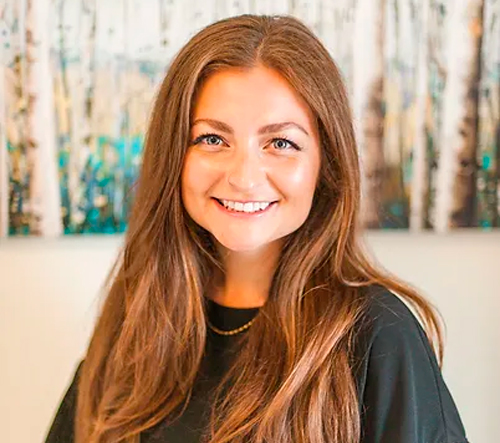
Brianna Herrera, MA, LPCC

Individual & Couples Counselor; Neurofeedback Clinician

Brianna believes in a holistic approach to counseling, integrating mind, body, and spirit in her work with clients. She strives to help clients weave the various aspects of their lives together through a collaborative approach, meeting her clients where they’re at and partnering with them to create lasting change and a greater sense of wholeness in their lives. Brianna seeks to create a grounding and non-judgmental space where clients can explore their thoughts, emotions, and experiences with freedom and authenticity. She embraces a variety of evidence-based treatment modalities to best meet her clients’ specific needs and goals, such as trauma-informed CBT, DBT, mindfulness-based techniques, solution-focused therapy, emotion-focused therapy, and humanistic approaches. In her work with couples, Brianna focuses on helping partners improve communication, strengthen their emotional connection, and navigate challenges such as conflict resolution, intimacy issues, and life transitions. She believes that life-giving, functioning relationships are foundational to a person’s sense of well-being. Brianna is certified in facilitating both SYMBIS and Prepare-Enrich couples counseling sessions. In her free time, she can often be found adventuring outside with her husband and pup, hosting a game night, or enjoying time with community.

Brianna's Specialties

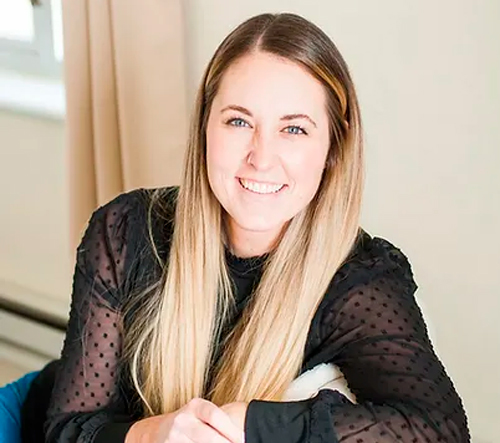
Sydney Focht, MA, LPC

Clinical Director & Counselor

I specialize in working with women in their 20s to 50s who struggle with self-worth, self-esteem, and the guilt that often comes with prioritizing themselves. Finding self-trust and the ability to feel worthy of happiness are common topics in my work. My clients tend to put off therapy because they downplay their struggles, describing their pain as ‘not that big of a deal.’ Many of them grew up in households where expressing emotions wasn’t encouraged and they are still looking for security now. My goal is to create a space where you feel completely free to be yourself—no pressure, no expectations. Therapy with me isn’t about either of us being ‘perfect’—it’s more about you feeling safe, seen, and supported as you figure things out in a way that works for you. I prioritize meaningful conversations that get to the heart of the issue, getting to the root and out of surface level conversation quickly. Going through my own therapy has given me a deeper understanding of what it’s like to be in the client’s seat, and it’s made me even more passionate about helping others find the support that truly works for them. My clients describe me as focused, compassionate, nonjudgmental, and down-to-earth. I truly love what I do and that comes through in my work! I’m a person-centered therapist, but I often integrate elements of Motivational Interviewing, CBT, and IFS.

Sydney's Specialties

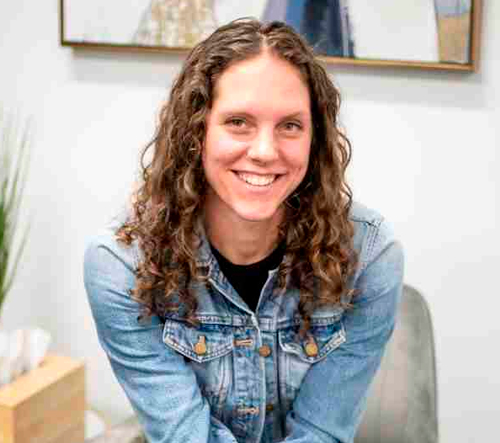
Cassandra Keller, MA, LPCC

Neurofeedback Clinician & Counselor (EMDR-Trained)

I support adults and teens (15+) who are ready to find relief from trauma, anxiety, depression, or feeling stuck in life, career, or identity transitions. Using a compassionate, trauma-informed, and integrative approach, I help clients reconnect with themselves and move toward balance and resilience. I’m EMDR-trained and draw from person-centered, gestalt, DBT, and somatic practices. Whether we’re working with the nervous system, processing painful memories, or exploring patterns with curiosity, my goal is to create a safe, collaborative space where you feel supported, present, and empowered to grow. I especially enjoy working with athletes, creative people, students, and outdoor adventurers who value resilience, beauty, and balance. Alongside therapy and grounding practices, I also offer neurofeedback as another powerful pathway for nervous system regulation and healing. Outside the office, you’ll often find me climbing, fly fishing, running trails, foraging, or relaxing in the grass under the aspens. My love for movement, play, and nature continually inspires how I show up with clients.

Cassandra's Specialties