What Is Neurofeedback and How Does It Work?
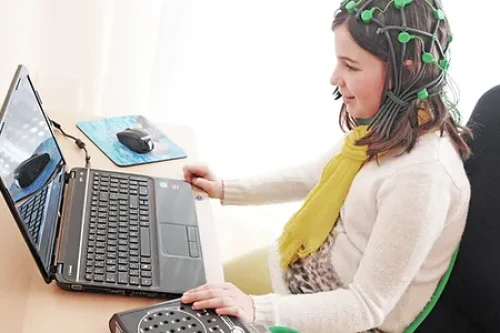
Neurofeedback for behavior issues in children is a non-invasive technique that trains the brain to self-regulate. By monitoring brainwave activity and providing real-time feedback, neurofeedback teaches the brain how to shift out of dysregulated states—such as anxiety or impulsivity—into more balanced patterns.
Why Use Neurofeedback for Behavior Issues?
Many behavioral challenges are rooted in brainwave imbalances. For example, excessive slow-wave activity is often linked to inattention, while overactive fast waves may contribute to aggression or restlessness. Neurofeedback for behavior issues in children helps correct these patterns, allowing children to develop greater control over their behavior.
Benefits of Neurofeedback for Children
- Improved Attention and Focus
- Better Emotional Regulation
- Reduction in Outbursts and Tantrums
- Enhanced Sleep and Mood Stability
- Non-invasive and Drug-Free
Many parents report that after consistent neurofeedback for behavior issues in children, their child becomes more responsive, calmer, and better equipped to handle everyday challenges.
Who Can Benefit?
Neurofeedback may be especially helpful for children experiencing:
- ADHD or attention difficulties
- Mood instability
- Sensory processing challenges
- Emotional dysregulation
- Oppositional or defiant behavior
 Start Building Better Behavior Naturally
If your child is struggling with emotional or behavioral challenges, consider neurofeedback for behavior issues as a supportive and empowering option. At Connected Brain Counseling, we offer personalized plans that meet your child’s unique needs.
- ADDitude Magazine – Discusses the science and success stories of neurofeedback for kids with ADHD and behavior concerns. ADDitude
- Child Mind Institute – Highlights alternative approaches to treating children with behavioral issues. Child Mind Institute
- Frontiers in Human Neuroscience – Provides peer-reviewed research on neurofeedback efficacy in children. Frontiers