What Is Brain Mapping Therapy?
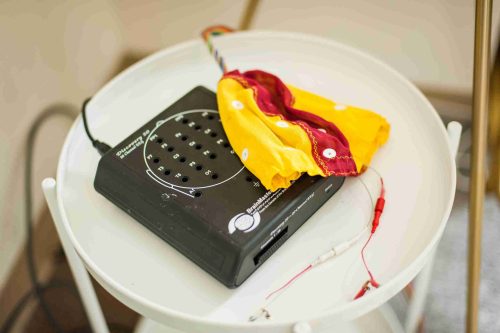
Brain mapping therapy involves the use of quantitative Electroencephalography (qEEG) to measure and analyze brainwave activity. This non-invasive diagnostic tool identifies irregular brainwave patterns that may contribute to conditions such as anxiety, depression, ADHD, PTSD, and sleep disorders.
The data collected from brain mapping is then used to design customized treatments, such as neurofeedback therapy, to help the brain self-regulate and improve overall mental health.
How Does Brain Mapping Therapy Work?
- Data Collection: Sensors are placed on your scalp to record brainwave activity. This process is painless and non-invasive.
- Analysis: The recorded data is analyzed to identify brainwave patterns and pinpoint irregularities.
- Personalized Plan: The results are used to develop a treatment plan tailored to your unique brain activity. This often includes neurofeedback therapy and other complementary approaches.
What Are the Benefits?
Brain mapping therapy offers several advantages:
1. Accurate Diagnosis
By examining brainwave activity, brain mapping provides a deeper understanding of the root causes of mental health challenges.
2. Customized Treatments
The therapy uses brain data to design personalized treatment plans that target your specific needs.
3. Non-Invasive and Safe
Brain mapping is completely painless and does not require medication or invasive procedures.
4. Wide Application
This therapy is effective for various conditions, including ADHD, anxiety, PTSD, sleep disorders, and more.
5. Measurable Progress
Brain mapping allows for ongoing monitoring, providing clear evidence of improvements in brain function over time.
 Who Can Benefit?
Brain mapping therapy can help people dealing with:
- Anxiety or chronic stress.
- ADHD and focus-related challenges.
- Depression or mood swings.
- Sleep disturbances.
- PTSD or trauma-related symptoms.
It’s also beneficial for anyone looking to enhance their cognitive performance or address mental health challenges that have not responded to traditional treatments.
How Is Brain Mapping Therapy Used?
Brain mapping therapy often works hand-in-hand with neurofeedback therapy. Neurofeedback uses real-time brainwave monitoring to retrain the brain, helping it achieve healthier patterns. This combination can lead to long-lasting improvements in mental health.
Why Choose Brain Mapping Therapy?
If you’ve struggled with mental health issues and are searching for innovative solutions, brain mapping therapy could be the key to better understanding and addressing your challenges. Its ability to provide clear, actionable insights into brain function makes it a powerful tool for achieving mental wellness.
Experience With Connected Brain Counseling
At Connected Brain Counseling, we specialize in brain mapping therapy and neurofeedback to help our clients unlock their potential and achieve emotional balance. Our experienced clinicians use state-of-the-art technology to design personalized treatment plans tailored to your needs.
- “Understanding qEEG brain mapping.” NeuroScience Insights. Read more.
- “Brain mapping therapy for mental health.” Brain Health Today. Explore the article.
- “How brain mapping improves neurofeedback therapy.” Psychology Now. Learn more.
Take the First Step Toward Mental Wellness
Are you ready to explore how brain mapping therapy can transform your mental health journey? Contact Connected Brain Counseling today to schedule your initial consultation. Let us help you discover the benefits of this revolutionary approach to mental health care.