
Understanding QEEG Brain Mapping in Denver
QEEG (Quantitative electroencephalography) Brain mapping therapy collects data through measuring electrical activity in that brain that is correlated with behavioral functioning. The patterns that are learned from a brain map help mental health care providers understand client behaviors they are aiming to change, including barriers to behavioral change. This assessment also helps validate clients in understanding where behaviors stem from.
Whether patterns are associated with trauma, poor sleep quality, hormonal disruptions, etc, QEEG Brain Maps are a tool growing in popularity for their comprehensive nature. As a source of information (not a diagnostic tool) to help supplement counseling, brain mapping supplements therapeutic work effortlessly.
Brain mapping works by placing sensors on the scalp to detect the electrical signals produced by the brain. These signals are then analyzed and translated into a visual representation, known as a brain map. This map reveals the different areas of the brain and their levels of activity. By comparing these levels of activity to established norms, we can identify patterns that may be influencing our behavior and hindering our progress.
The benefits of a qEEG brain map are numerous. It can help us understand our cognitive strengths and weaknesses, identify potential sources of stress or anxiety, and even pinpoint areas of the brain that may be contributing to certain behavioral or emotional patterns. Armed with this knowledge, we can then take targeted steps to improve our lives.
To experience the benefits of brain mapping, it is essential to find a Board Certified Neurofeedback Clinician who specializes in qEEG. In Denver, there are reputable clinicians who can guide you through the process and help you make sense of your brain map results.
In the next sections, we will explore how brain mapping works, the specific benefits of a qEEG brain map, and the common patterns that are often found in brain maps. By understanding the implications of your brain map results, you can then take steps towards enhancing your life through neurofeedback training. So let’s dive in and uncover the secrets that lie within your brain.
Why is QEEG Brain Mapping Important?
Most therapists distribute assessments like interviews or written tests to help diagnosis or conceptualize a client’s concern. It is important to understand that diagnoses were created to give to insurance companies and determine coverage for mental health disorders – not always to help in behavioral treatment. Though diagnoses have grown to be useful for providers in other ways, brain maps are much more comprehensive and data driven viewpoints of mental health concerns that eliminate the bias of insurance providers altogether.
QEEG Brain Mapping Therapy challenges this notion by creating a practice of looking at the brain prior to assuming function. Every medical professional looks at the organ being treated prior to treating it. If someone suffers from GI distress, we look at the intestines. If you experience chest pains, we take a scan of the heart. If you have crippling anxiety…we give you a formalized test and ignore what activity the brain shows. Why should mental health be any different than physical health assessments?
Common diagnoses like anxiety or depression can show up in vastly different patterns that beg for differing treatments, including differing medications. Data gathered from brain maps can point professionals in the right direction of treatment without the exhausting trial and error practice of jumping therapists, medications and programs.
How does Brain Mapping Work?
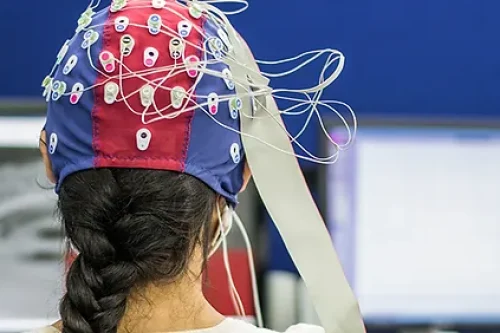
Data collection is non invasive, painless and much simpler than most clients assume. At Connected Brain Counseling, a tightly fitted hat is place on the head of the client that has 19 electrodes on the inside lining. These electrodes are filled with electro-gel in order to measure electrical activity on the surface of the skull.
During data collection, clients will sit for 10 minutes with their eyes open and 10 minutes with their eyes closed. These time allocations are determined by neurological standards. During measurement, clients are asking to sit still without movement and minimizing blinks in the eyes. The data is then processed and a second appointment will be scheduled for you and your clinician to review in a lengthy report together.
If you are interested in learning more about brain mapping and how it can supplement your neurofeedback therapy program in denver or therapy program in denver, reach out to Connected Brain Counseling here.
Benefits of a qEEG Brain Map
Brain mapping through a qEEG Brain Map offers numerous benefits that can greatly enhance our lives. By gaining insight into the electrical activity in our brain, we can understand our cognitive strengths and weaknesses, identify potential sources of stress or anxiety, and even pinpoint areas of the brain that may be contributing to certain behavioral or emotional patterns.
One of the primary benefits of a qEEG Brain Map is the ability to understand our cognitive strengths and weaknesses. By mapping out the activity levels in different areas of the brain, we can identify areas where we excel and areas where we may need improvement. This knowledge can help us tailor our learning and work strategies to optimize our performance.
Additionally, a qEEG Brain Map can help us identify potential sources of stress or anxiety. By analyzing the brain’s electrical activity, we can detect patterns that may be associated with stress or anxiety. Armed with this knowledge, we can take proactive steps to manage and reduce these feelings, leading to a more balanced and fulfilling life.
Furthermore, a qEEG Brain Map can help us pinpoint areas of the brain that may be contributing to certain behavioral or emotional patterns. For example, if we notice high activity levels in the amygdala, which is associated with fear and aggression, we can work on strategies to calm and regulate this area. This can lead to improved emotional regulation and overall well-being.
Finding a Board Certified Neurofeedback Clinician in Denver
When it comes to brain mapping and obtaining a qEEG brain map, it is crucial to find a qualified and reputable Board Certified Neurofeedback Clinician in Denver. These professionals specialize in conducting the brain mapping procedure and can help you interpret and make sense of your brain map results. But how can you find the right clinician in Denver? Here are a few tips to guide you.
First, start by researching reputable neurofeedback clinics in Denver. Look for clinics that have a strong track record and positive reviews from previous clients. You can also ask for recommendations from friends, family, or even your primary care physician.
Once you have a list of potential clinics, take the time to explore their websites and learn more about their credentials and experience. Look for clinicians who have extensive training in neurofeedback and are board-certified in the field. This certification ensures that they have met rigorous standards and are well-versed in the latest advancements in brain mapping technology.
Next, schedule a consultation or initial appointment with a few of the clinics on your list. During these meetings, ask about their approach to brain mapping, their experience working with clients with similar concerns or goals as yours, and their success rates. This will give you a better idea of their expertise and whether they are the right fit for you.
Lastly, trust your instincts. It is important to feel comfortable and supported by your neurofeedback clinician. Make sure you choose someone who listens to your concerns, answers your questions, and genuinely cares about your well-being.
By finding a Board Certified Neurofeedback Clinician in Denver, you can ensure that you are in capable hands throughout your brain mapping journey. So take the time to do your research and find a clinician who can guide you towards a better understanding of your brain and ultimately, an improved life.
Common Patterns Found in qEEG Brain Maps
In the world of brain mapping, certain patterns tend to emerge when analyzing qEEG brain maps. These patterns provide valuable insights into how our brain is functioning and can shed light on potential areas for improvement. While everyone’s brain is unique, there are a few common patterns that are often found in qEEG brain maps.
One common pattern is known as “hyperconnectivity.” This occurs when there is excessive connectivity between different regions of the brain. Hyperconnectivity can lead to overstimulation and difficulties in regulating emotions and behaviors. By identifying areas of hyperconnectivity, neurofeedback training can target these specific areas to help improve emotional regulation and overall brain function.
Another common pattern is “hypoconnectivity,” which is the opposite of hyperconnectivity. Hypoconnectivity refers to decreased connectivity between brain regions. This pattern can contribute to difficulties with attention, focus, and processing information. Neurofeedback training can help increase connectivity in hypoconnected areas, leading to improvements in attention and cognitive functioning.
Other common patterns include excessive or insufficient activity in specific brain regions, imbalances in brainwave frequencies, and asymmetries in brain activity between the left and right hemispheres.
By identifying these common patterns in a qEEG brain map, a Board Certified Neurofeedback Clinician can create a personalized training plan to target and address these areas. This personalized approach allows for targeted neurofeedback training that can lead to significant improvements in cognitive functioning, emotional regulation, and overall well-being.
Understanding these common patterns found in qEEG brain maps can empower individuals to take control of their brain health and make positive changes in their lives. By working with a qualified clinician, you can gain valuable insights into your brain’s functioning and unlock your full potential. So, don’t hesitate to explore the secrets hidden within your own brain!
Enhancing Your Life Through Neurofeedback Training
Now that you have a better understanding of brain mapping and the valuable insights it can provide, it’s time to explore how you can use this knowledge to enhance your life through neurofeedback training. Neurofeedback training is a powerful technique that utilizes the information from your qEEG brain map to target and address specific areas of your brain that may benefit from improvement.
By working with a Board Certified Neurofeedback Clinician in Denver, you can embark on a personalized training plan that is tailored to your unique brain map results. This training plan may involve exercises and activities that are designed to strengthen and regulate certain areas of your brain, leading to improvements in cognitive functioning, emotional regulation, and overall well-being.
For example, if your brain map reveals areas of hyperconnectivity, neurofeedback training can help target these areas and teach your brain how to regulate its activity more effectively. This can result in reduced overstimulation, improved emotional control, and better overall brain function.
On the other hand, if your brain map shows areas of hypoconnectivity, neurofeedback training can focus on increasing connectivity in these areas. This can lead to improvements in attention, focus, and information processing.
By understanding the implications of your brain map results and working with a qualified clinician, you can unlock your brain’s full potential and make positive changes in your life. Neurofeedback training is a powerful tool that can help you optimize your brain’s functioning and improve your overall well-being. So take the next step towards enhancing your life and dive into the world of neurofeedback training!
Brain Mapping at Connected Brain Counseling
At Connected Brain Counseling, we are dedicated to helping individuals harness the power of brain mapping to improve their lives. Our team of highly skilled and experienced Board Certified Neurofeedback Clinicians in Denver is committed to providing the highest quality care and guidance throughout your brain mapping journey.
When you choose Connected Brain Counseling, you can expect a personalized and tailored approach to your brain mapping experience. Our clinicians will take the time to thoroughly explain the process and answer any questions you may have. They will walk you through your brain map results, helping you understand the implications and how they relate to your specific concerns or goals.
But our support doesn’t end with the brain mapping process. We are here to guide you through the next steps, offering neurofeedback training that is designed to target and address the specific areas of your brain that may benefit from improvement. With our expertise and guidance, you can unlock your brain’s full potential and make positive changes in your life.
At Connected Brain Counseling, we believe in the power of brain mapping and neurofeedback training to enhance your cognitive functioning, emotional regulation, and overall well-being. Let us be your trusted partner in your journey towards a better understanding of your brain and an improved life. Contact us today to learn more about our services and schedule your consultation.